
People often see the final images — the perfectly composed, beautifully lit, emotionally resonant photographs — and assume that photography is simply about showing up and pressing a button. The reality is far more complex. A single photograph represents hours of preparation, years of experience, and an unwavering commitment to craft. Today, I want to pull back the curtain and share what a typical day looks like in the life of a professional photographer.
Photography is not about the camera. It is about the eye behind it, the heart that drives it, and the countless hours of invisible work that make the final image possible.
The Early Morning Routine
My day typically begins well before sunrise. If I have an early morning session, I am up at 4:30 AM, reviewing the shot list, checking weather conditions, and confirming the schedule with my clients. The night before, I will have already charged all batteries, formatted memory cards, cleaned lenses, and packed my bag with the specific gear needed for the session ahead.
Preparation extends beyond equipment. I review my client's mood board, revisit our consultation notes, and mentally walk through the session plan. This preparation ensures that when I arrive on location, I am not thinking about logistics — I am fully present and ready to create. The best photographs emerge from a state of flow, and flow requires the removal of all distractions.
Location Scouting and Setup
For most sessions, I arrive at the location at least 30 minutes before the client. This time is crucial for scouting the best spots, observing how the light falls through the environment, and identifying potential backdrops and compositions. I walk the space, test different angles, and make mental notes about where the light will be at different times during our session.
This scouting process is one of the most undervalued aspects of professional photography. It is the difference between hoping for good results and engineering them. When a client arrives and we seem to effortlessly find beautiful locations one after another, it is not luck — it is the result of careful preparation and deep familiarity with the craft.
The Session Itself
During a session, my role extends far beyond operating the camera. I am simultaneously a director, a psychologist, a stylist, and an artist. I guide my clients into positions and expressions that feel natural while looking beautiful. I adjust a stray lock of hair, suggest a subtle shift in posture, and create an atmosphere where genuine emotion can surface.
The technical aspects of photography — exposure, focus, composition — have become second nature after years of practice, freeing my attention for the human elements that truly make a photograph exceptional. I am constantly reading body language, anticipating moments, and making micro-adjustments that transform a good image into a great one.
The Editing Process
After a session, the real work begins. I typically shoot between 500 and 800 images during a portrait session, and from those, I will select and edit the best 40 to 60. The culling process is rigorous and honest — every selected image must meet my standards for composition, emotion, and technical quality.
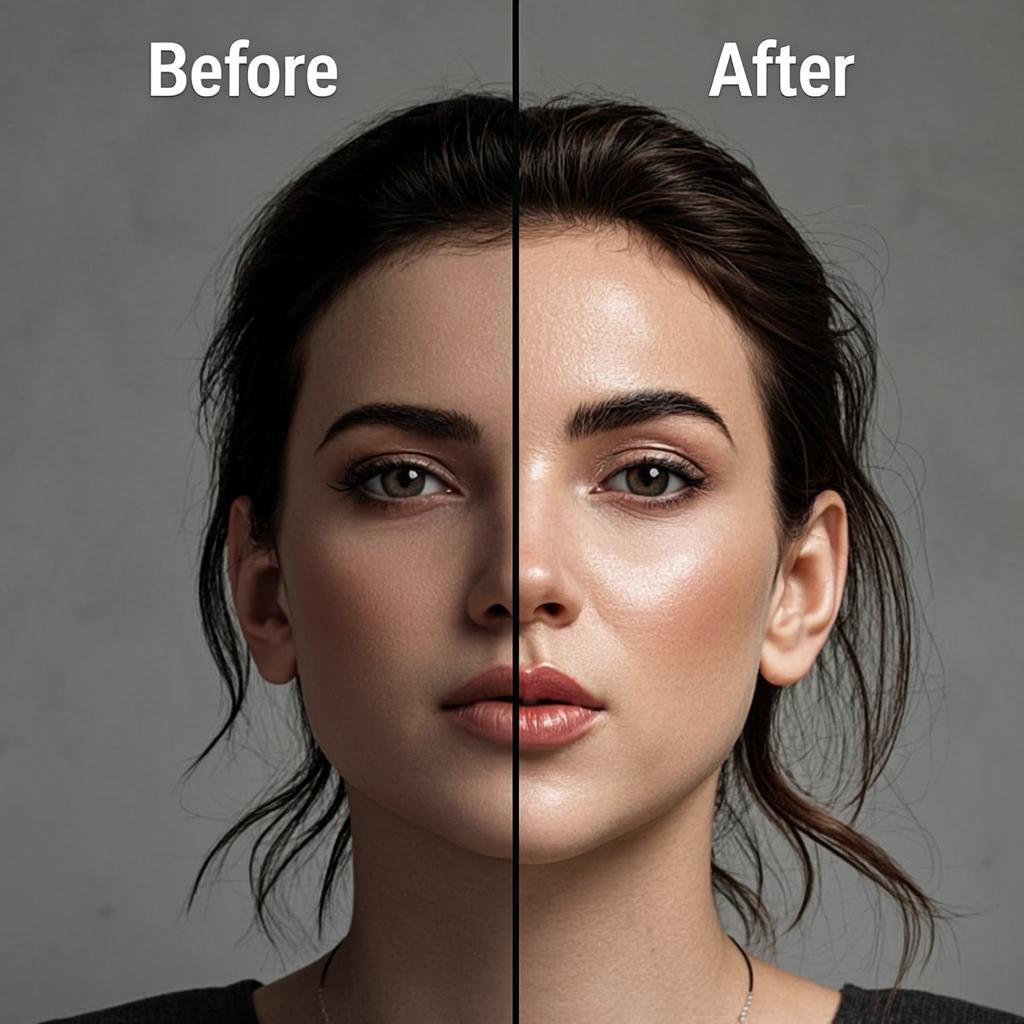
Editing is where the photograph truly comes to life. Each image receives individual attention: color grading to establish mood, careful retouching to enhance without over-processing, and tonal adjustments that guide the viewer's eye through the frame. A single image can take anywhere from 10 to 30 minutes to edit to completion, and a full gallery might require 20 to 40 hours of dedicated post-processing work.
The Business Behind the Art
What many do not see are the hours spent on the business side of photography — responding to inquiries, scheduling consultations, managing contracts and invoices, updating portfolios, maintaining equipment, continuing education, and marketing. A successful photography business requires the same dedication to operations as it does to artistry. I spend approximately equal time on business tasks as I do behind the camera and at the computer editing.
This behind-the-scenes work is not glamorous, but it is essential. It ensures that every client receives a professional experience from first contact to final delivery, and that the studio remains sustainable so I can continue doing what I love for years to come.